
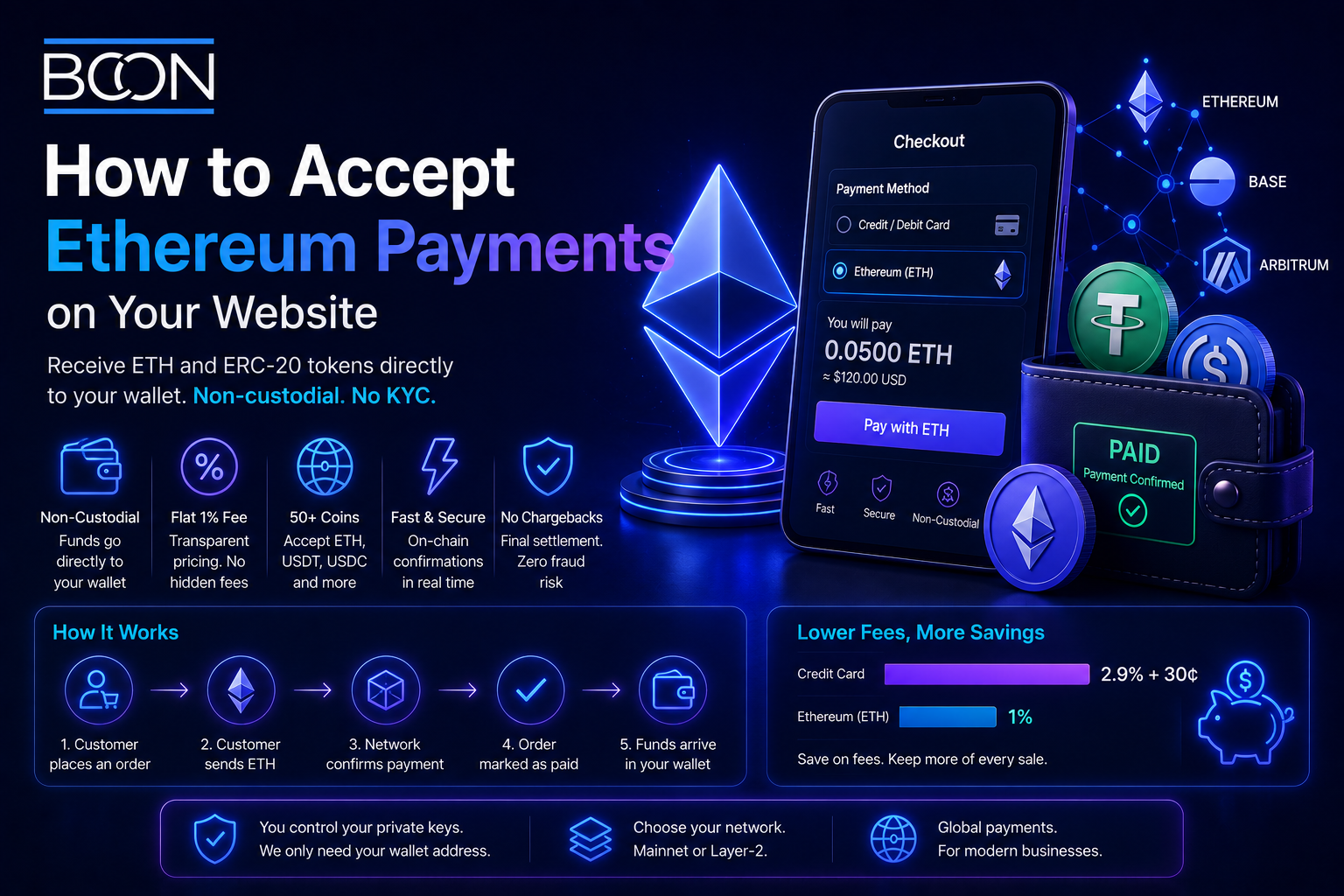
Ethereum is the second-largest cryptocurrency and the home of most stablecoins and tokens, which makes it a smart coin to accept…
Blog
Trust Wallet vs MetaMask: Which to Use in 2026
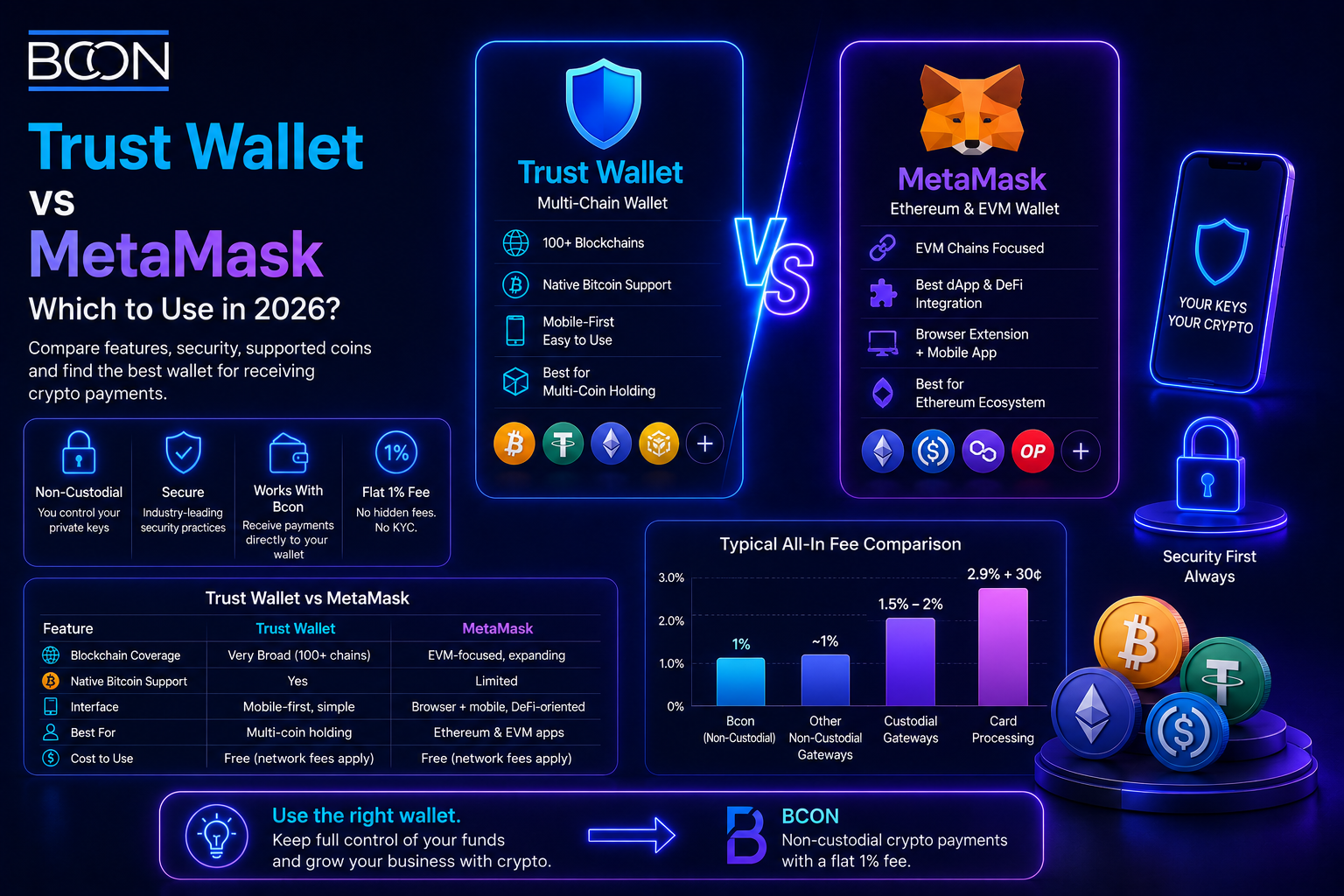
Trust Wallet and MetaMask are two of the most popular non-custodial wallets, and if you are receiving crypto payments, the choice affects…
Crypto Payment Gateway Fees Compared: 2026 Guide
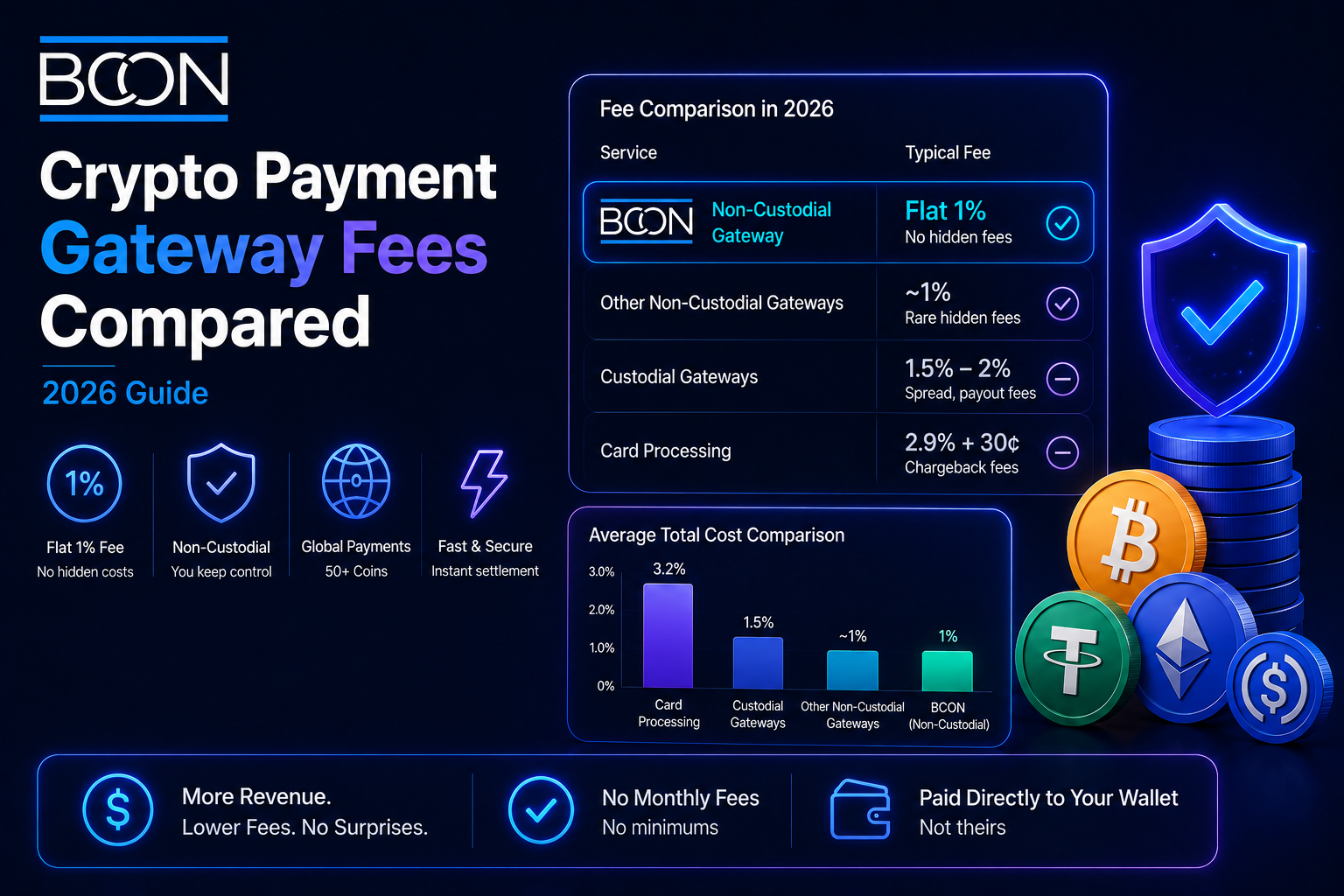
Fees decide how much of every sale you actually keep, so understanding them is the most practical part of choosing a crypto gateway…
Accept Crypto on OpenCart: Full Setup Guide
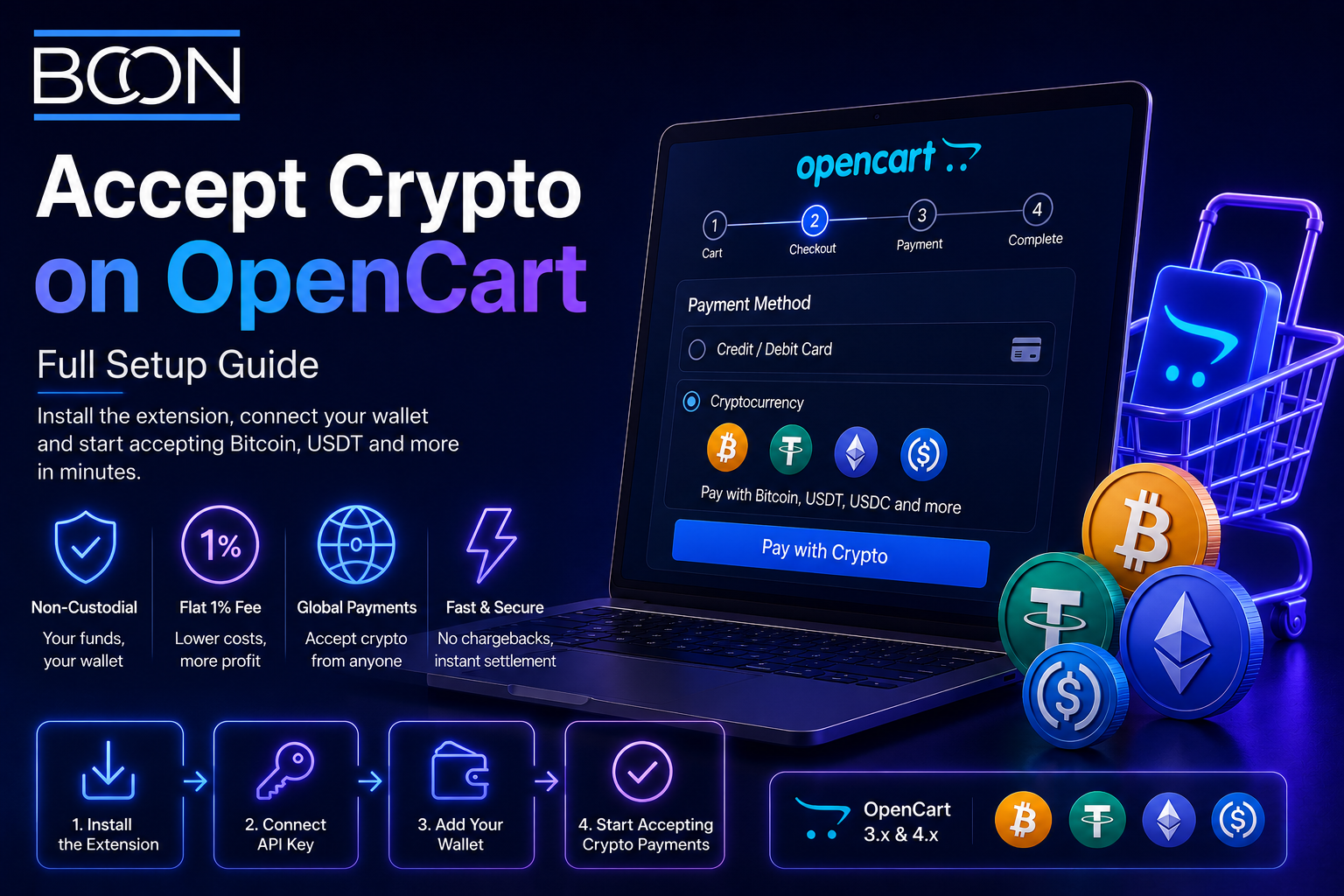
OpenCart is a lightweight, popular platform for online stores, and adding cryptocurrency to it takes only a short setup…
How Crypto Payment Tracking Works: A Simple Guide

Every crypto payment leaves a permanent, public trail – and that is exactly what makes accepting it reliable for a business…
No-KYC Crypto Payment Gateways: What You Should Know
For many merchants, the appeal of crypto is speed and simplicity, and nothing slows a launch down like days of identity paperwork…
How to Integrate Crypto Payments into WooCommerce
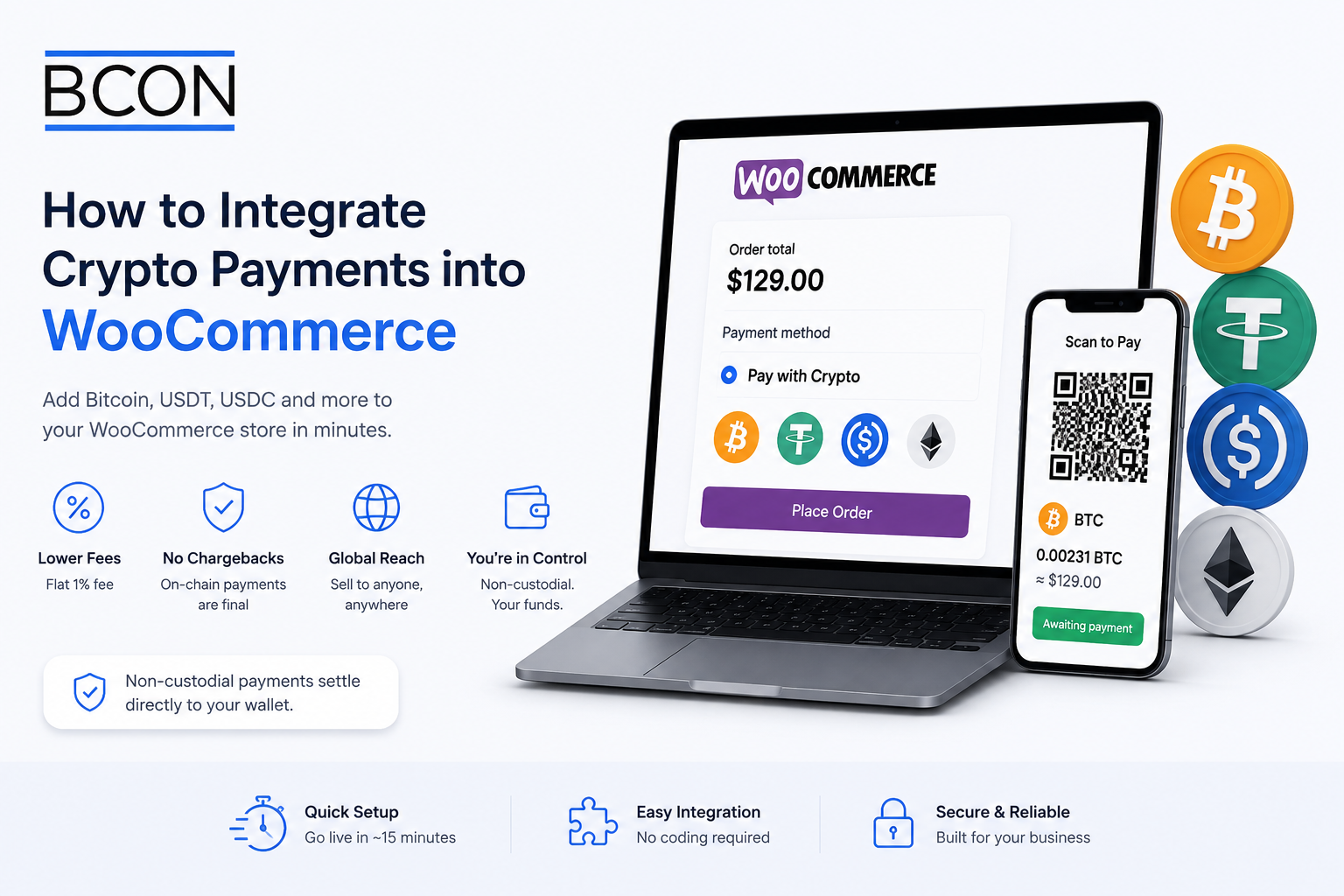
WooCommerce powers a huge share of online stores, and adding crypto to it is one of the easiest upgrades you can make…
What Are Stablecoins? Types, Risks & Use in Payments
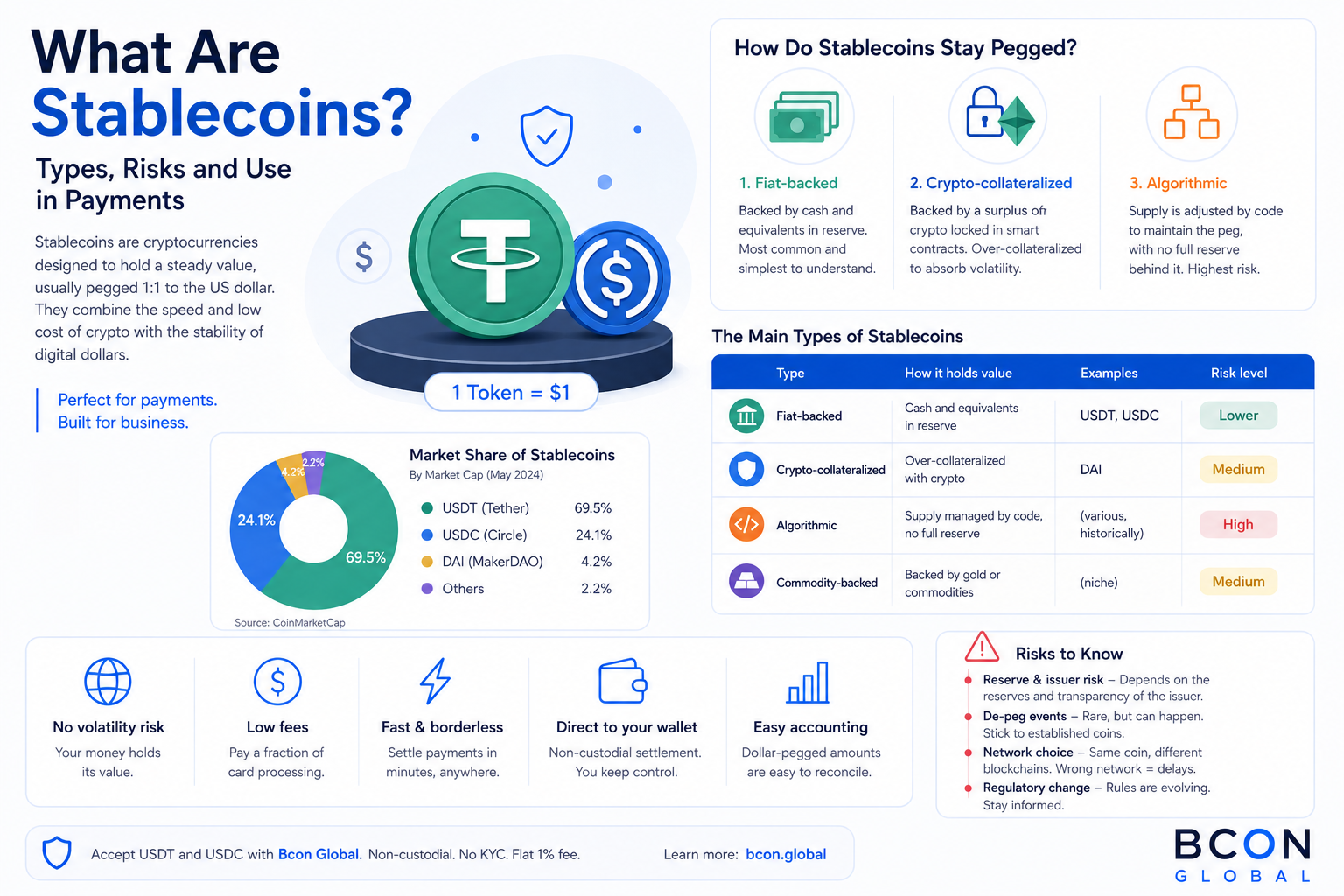
Stablecoins are the quiet workhorse of crypto payments. While Bitcoin grabs headlines for its price swings…
Bcon: Store setup & settings tutorial
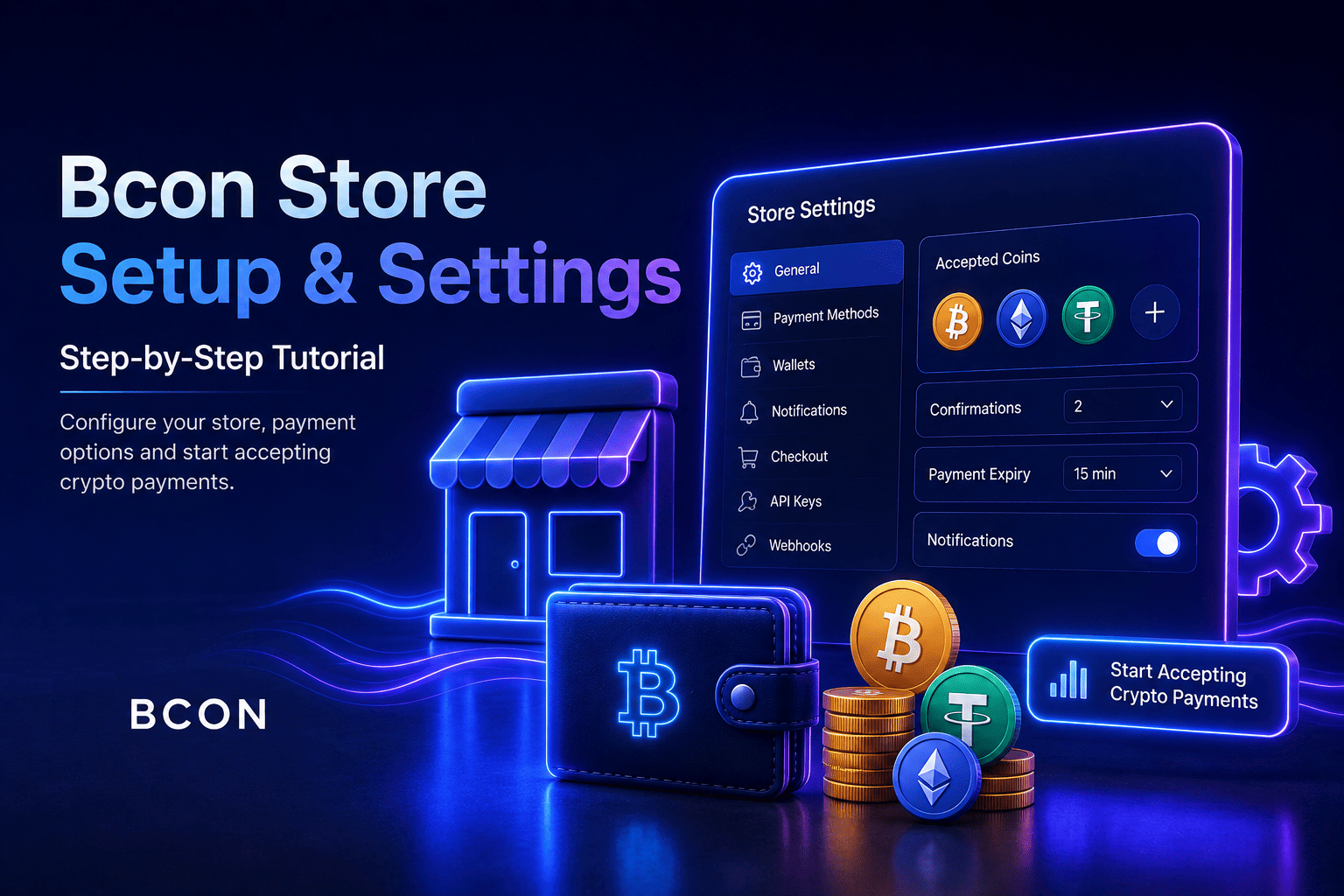
This is the simplest configuration method and requires only one wallet address to start accepting payments.
How to Accept Bitcoin Payments: Merchant Guide
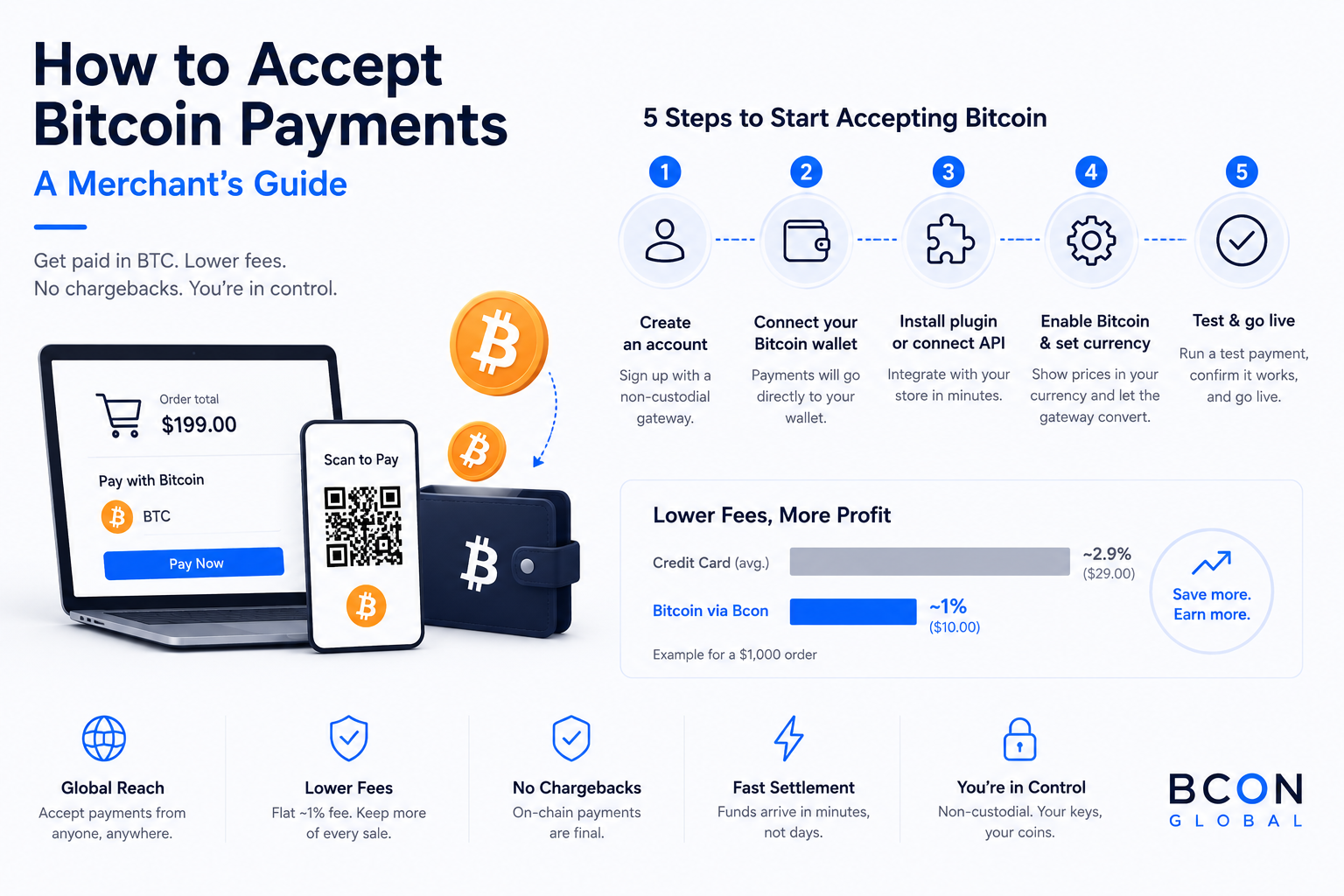
Adding Bitcoin to your checkout is far simpler than most business owners expect, and it opens your store to millions of customers who prefer to pay on-chain.
Crypto Payment Gateway vs Crypto Exchange: Differences
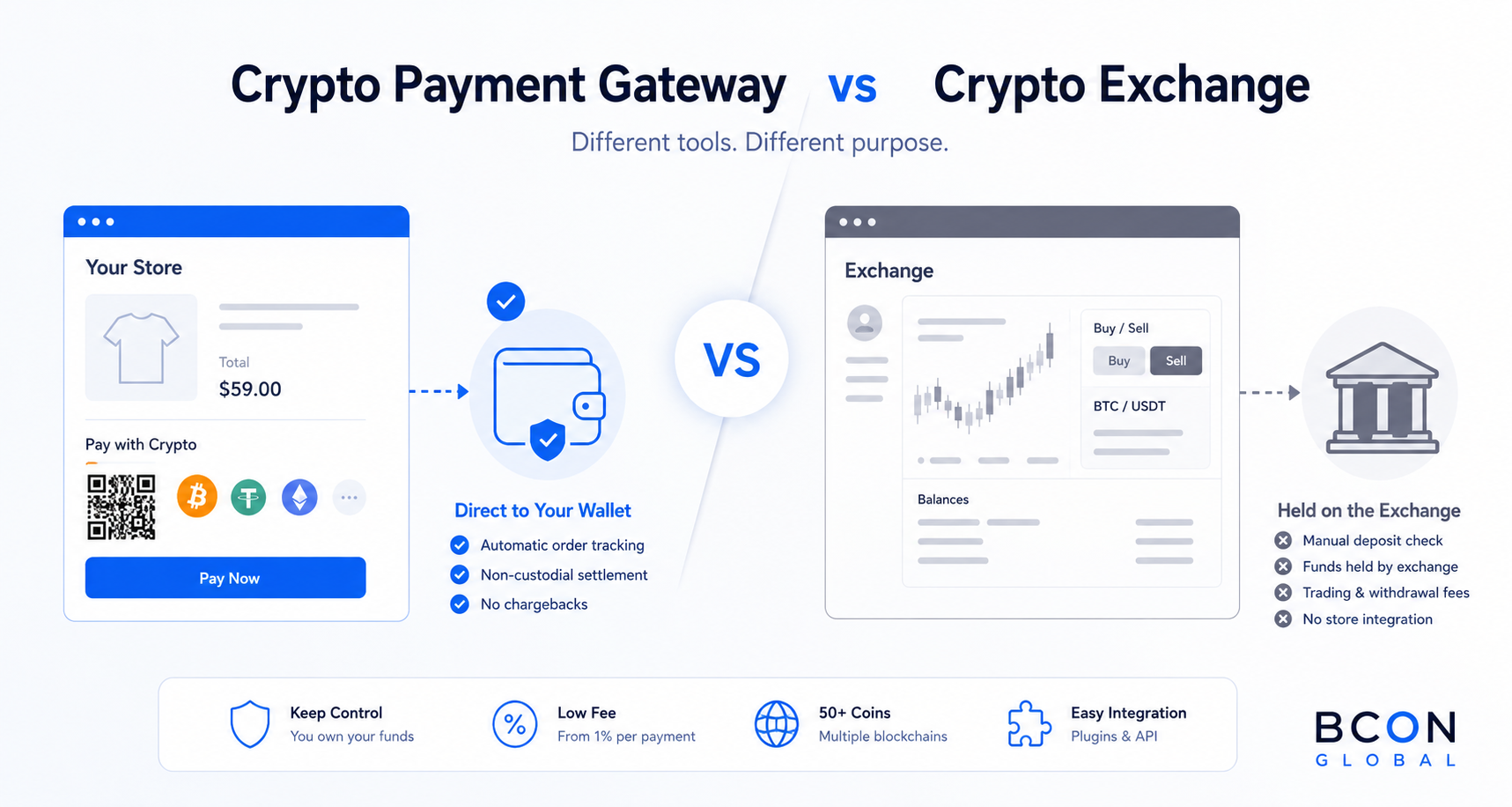
If you run an online store and want to start taking digital currency, you will quickly encounter two very different tools…
How to Accept Crypto Payments on Your Website in 2026
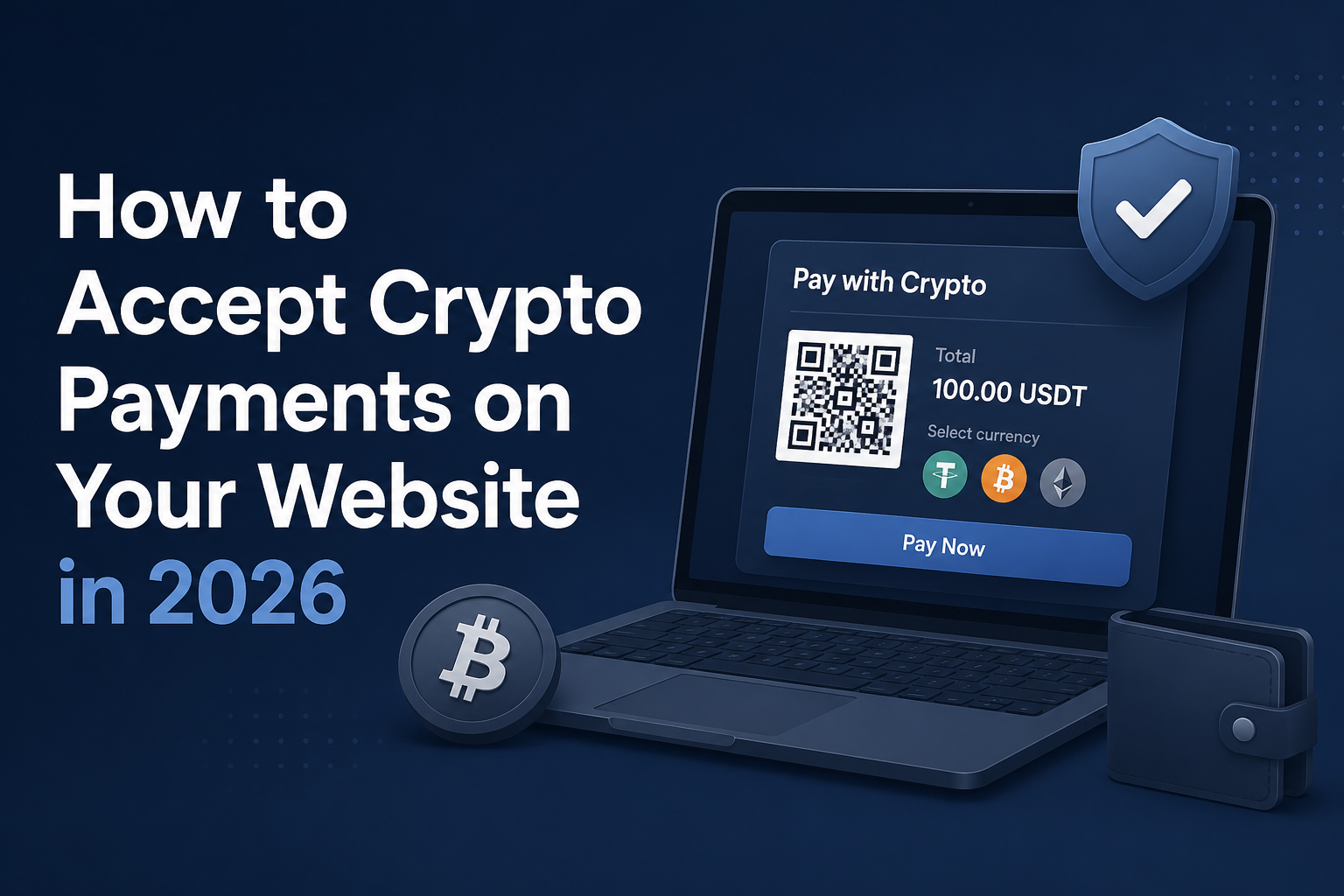
If someone had asked a business owner how to accept cryptocurrency five or six years…