
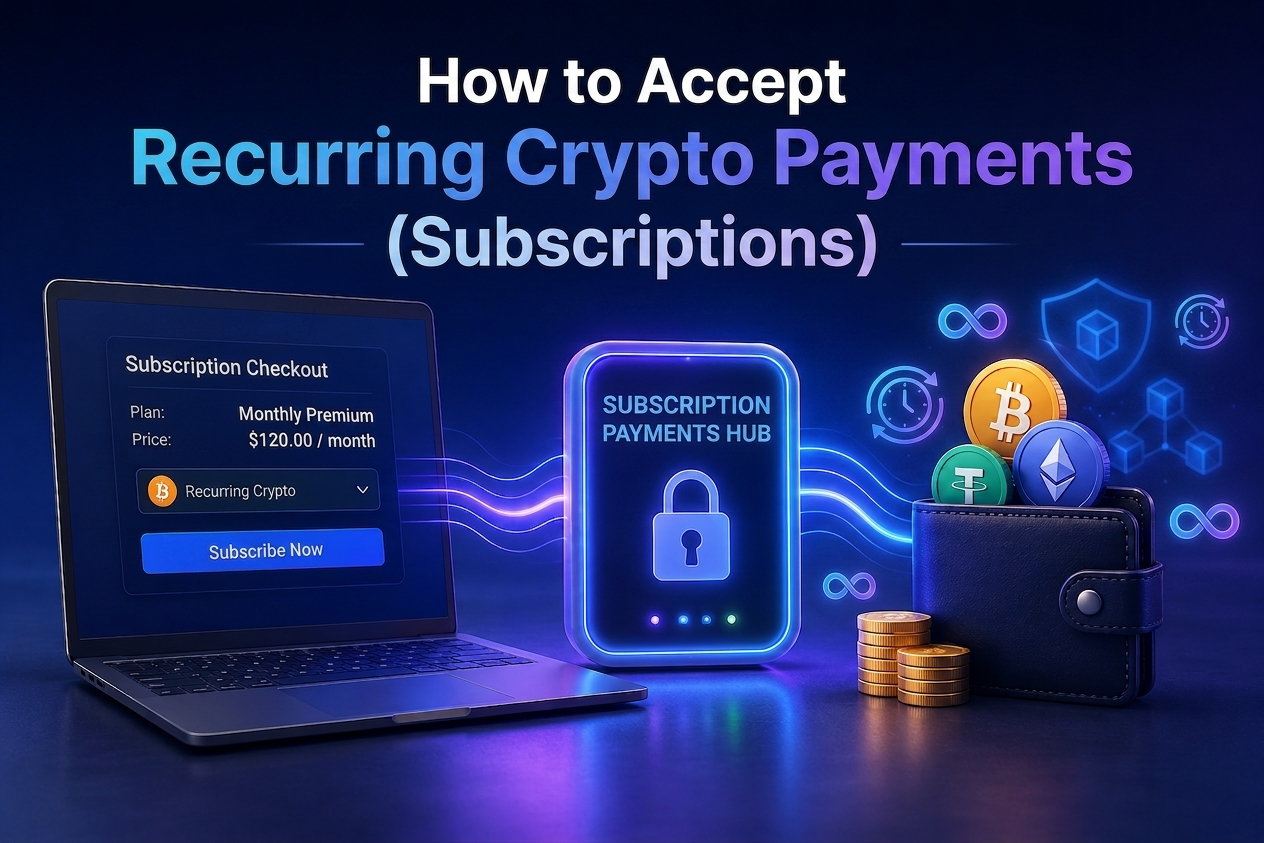
Subscriptions and memberships run on recurring payments, and if you want to bill customers in crypto…
Tag: Explained
Are Crypto Payments Safe? A Merchant’s Security Guide

“Is it safe?” is the first question most business owners ask before accepting crypto – and it is the right question…
How to Accept Solana (SOL) Payments Online in 2026?

Solana has quietly become one of the best blockchains for accepting crypto payments, and 2026 is the year it went mainstream for merchants…
Crypto Payments vs Credit Cards: Which Is Better for Business?
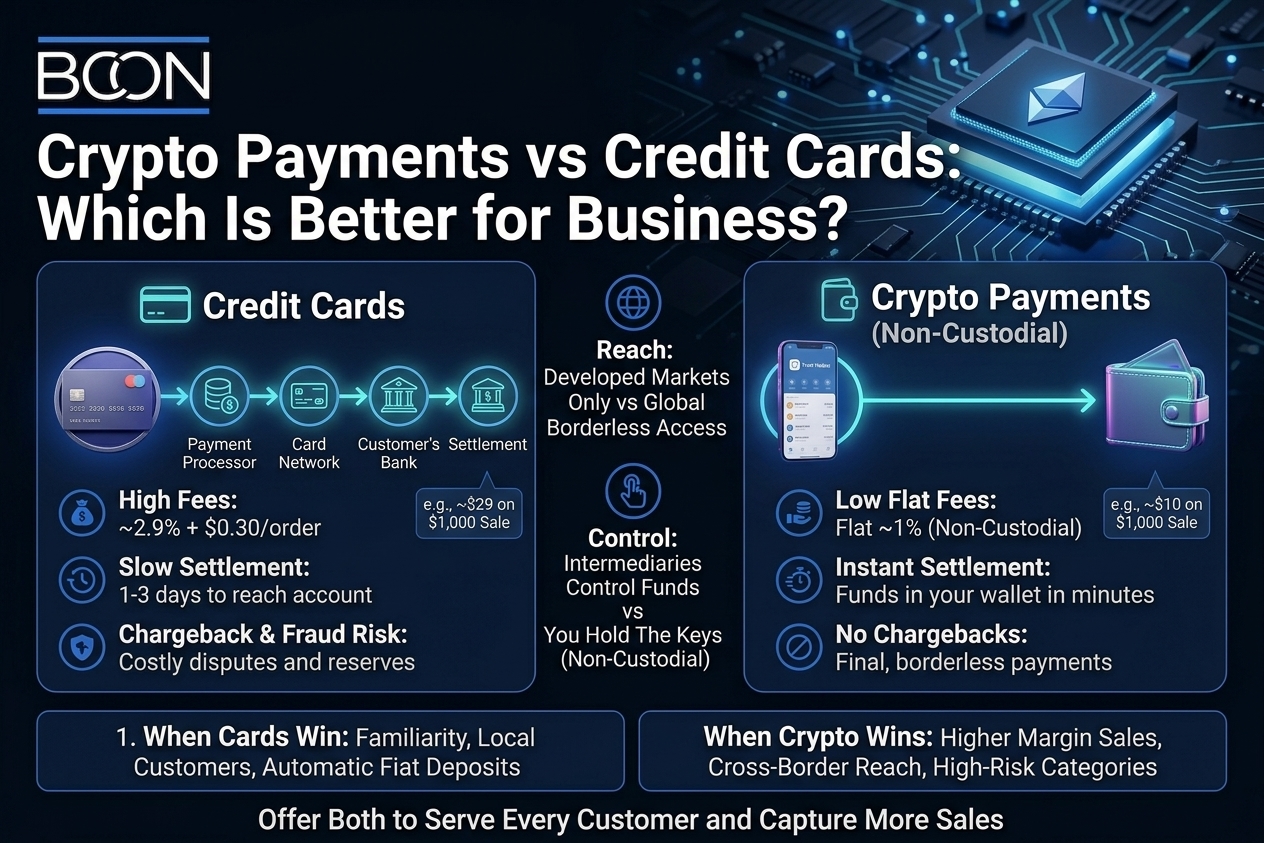
Every business that sells online eventually weighs the same question: is it worth accepting crypto alongside credit cards…
Best Crypto Wallets for Receiving Payments in 2026
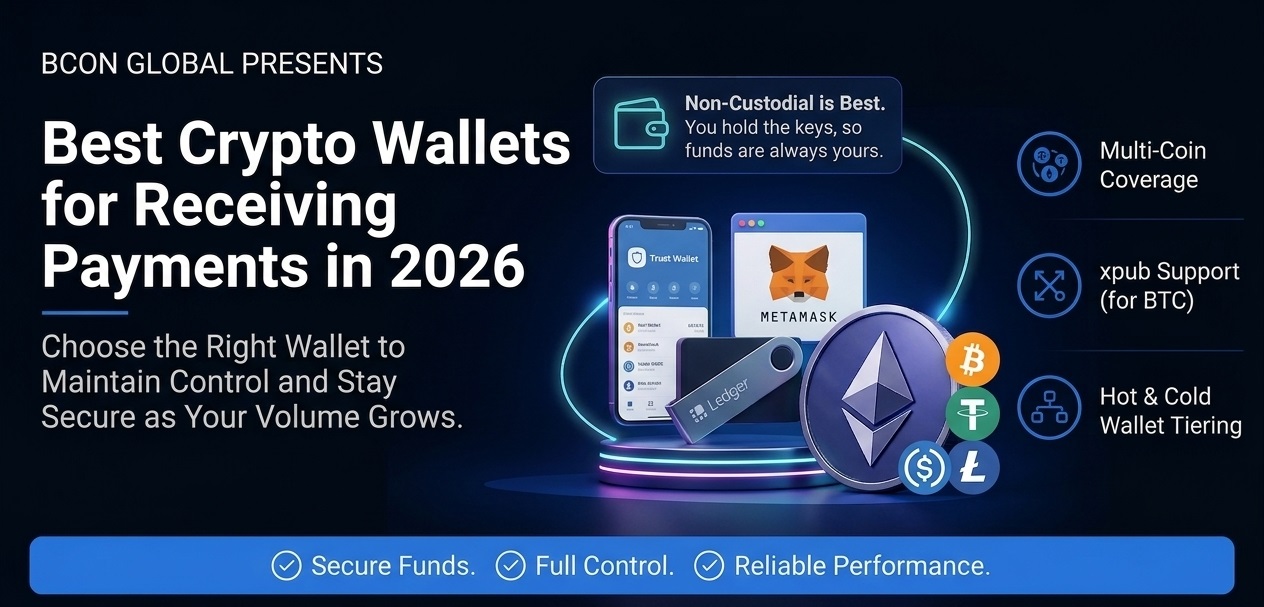
Choosing the right wallet is the first real decision any business makes when it starts accepting crypto…
Cheapest Cryptocurrencies to Send in 2026 (Lowest Fees)
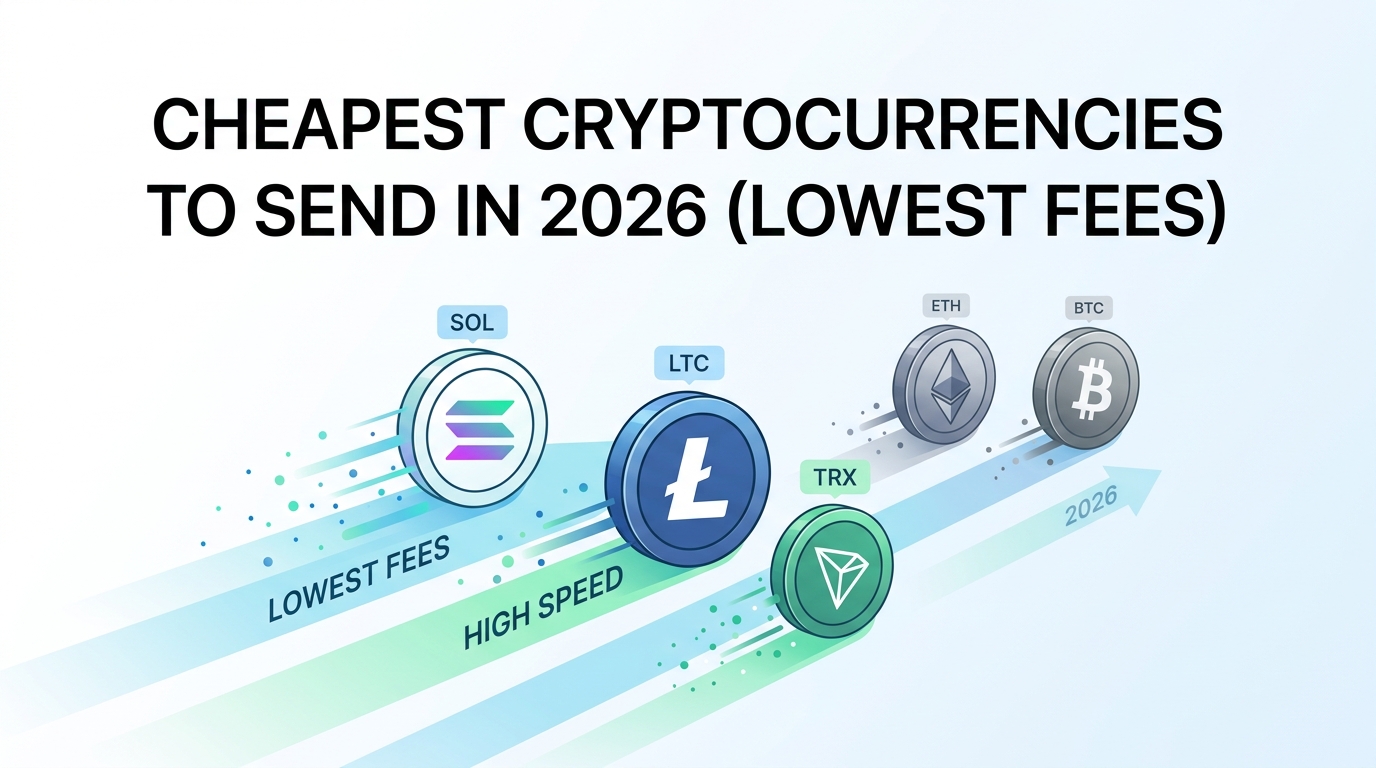
Transaction fees can quietly eat into every crypto transfer, so knowing the cheapest coins and networks to send is worth real money…
How to Accept Crypto Donations on Your Website

Crypto donations have become a serious fundraising channel…
Crypto Invoicing: How to Bill Clients and Get Paid in Crypto
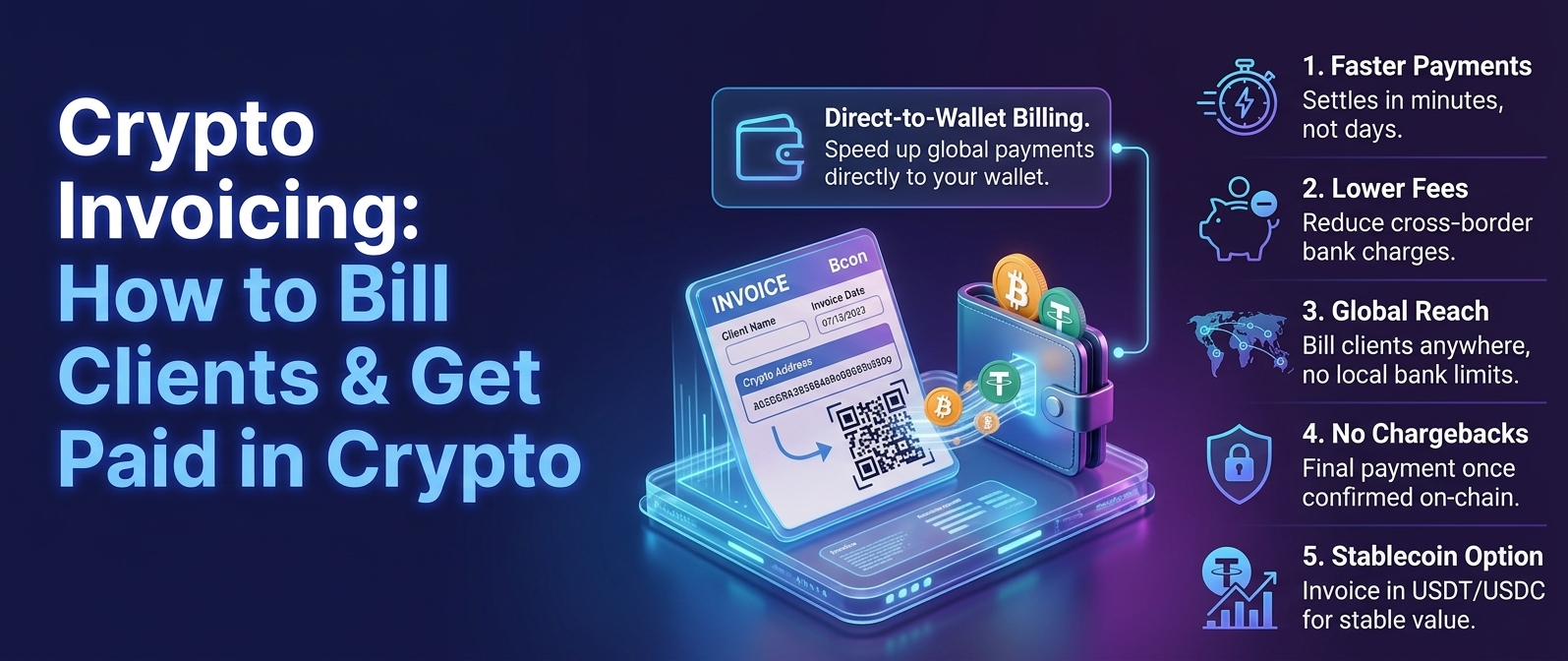
If you freelance or run a service business, getting paid in crypto can be faster and cheaper than waiting on bank transfers…
Who Accepts Crypto Payments? Businesses & Use Cases
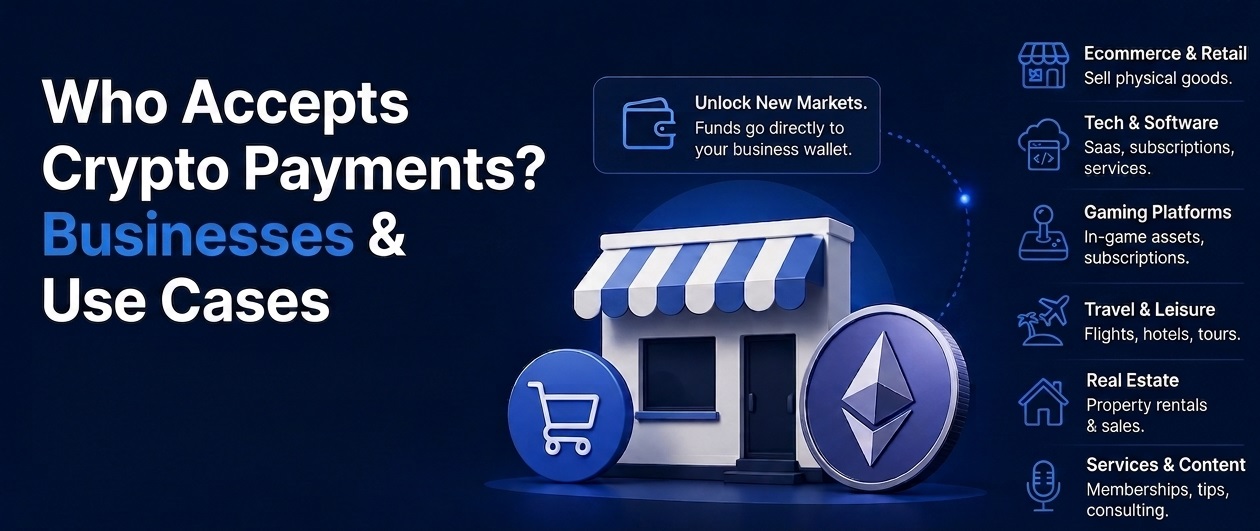
Crypto is no longer something you can only trade – you can spend it…
Coins vs Tokens: What’s the Difference?
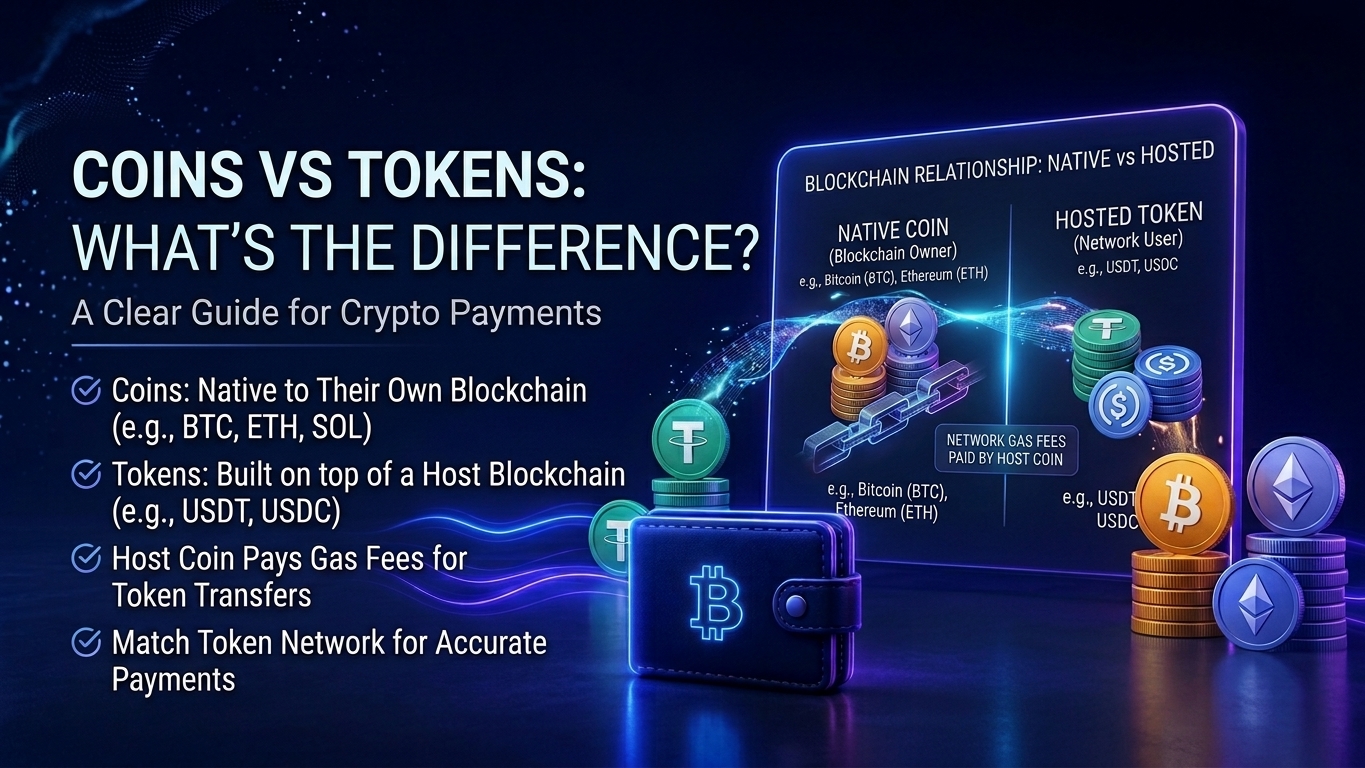
People use “coin” and “token” as if they mean the same thing, but in crypto they are distinct…
What Is a Crypto Swap and How Does It Work?

A crypto swap is one of the simplest ways to trade one cryptocurrency for another…
How to Create a USDT TRC20 Wallet
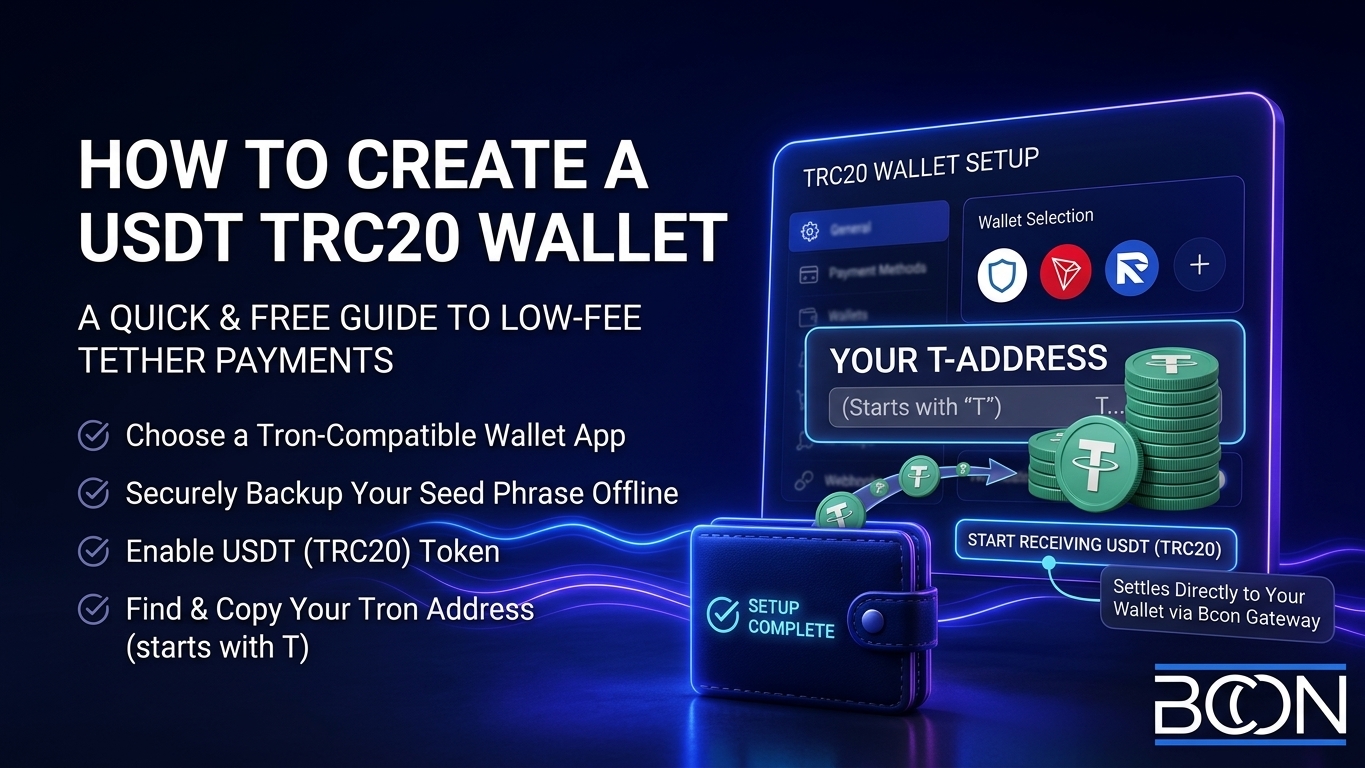
If you want to accept or hold USDT with the lowest possible fees…